Mold in a home or building is more than just an unsightly nuisance; it can pose serious health risks and cause structural damage if left unchecked. Professional mold testing is crucial for accurately identifying the presence and extent of mold in a property. This process not only ensures a safe living environment but also helps in taking the right remedial actions. The following sections explore the significance of professional mold testing and how it serves as a vital step in maintaining both health and property integrity.
Understanding Mold Testing
Mold testing involves a comprehensive assessment to detect mold spores in the air or on surfaces within a property. It provides valuable insights into:
- The type of mold present and its concentration levels.
- Potential sources of moisture that may be fostering mold growth.
- Areas within the property that require immediate attention.
By utilizing advanced techniques and equipment, professionals can identify hidden mold that might not be visible to the naked eye. Discover expert strategies here.
The Health Implications of Mold
Mold exposure can lead to a variety of health issues, particularly for individuals with respiratory conditions, allergies, or weakened immune systems. Symptoms may include:
- Persistent cough or cold-like symptoms.
- Worsening of asthma or allergic reactions.
- Skin irritation and eye redness.
Given these potential health risks, regular mold testing is essential to prevent exposure and maintain a healthy indoor environment. Learn about our tailored solutions.
Preventing Structural Damage
Mold thrives in damp conditions and can cause significant damage to the structural integrity of a building. It can weaken walls, ceilings, and floors, leading to costly repairs. Regular mold testing helps in:
- Identifying hidden moisture issues before they escalate.
- Preventing mold from spreading to other areas of the property.
- Avoiding extensive damage and costly renovations.
By addressing mold issues promptly, property owners can protect their investments and ensure long-term durability. Explore advanced guides and tips.
The Process of Professional Mold Testing
A thorough mold testing process typically includes the following steps:
Initial Assessment
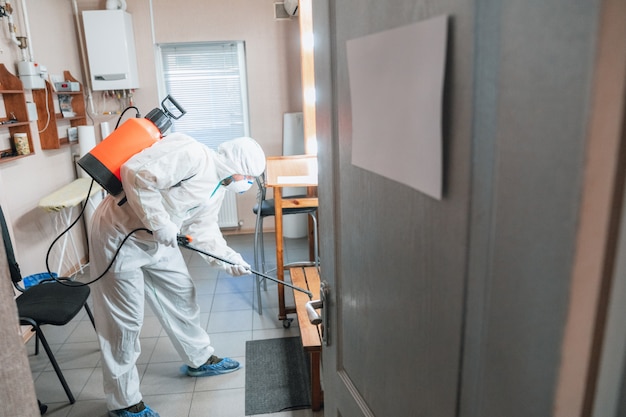
Experts conduct a visual inspection to identify potential mold hotspots and assess any visible signs of water damage.
Sampling and Analysis
Samples of air and surfaces are collected and sent to a specialized laboratory for analysis. This step determines the type and concentration of mold present.
Detailed Reporting
A comprehensive report is provided, outlining the findings along with recommendations for remediation and prevention strategies. Find out more about this approach.
Choosing the Right Mold Testing Service
Selecting a reputable service for mold testing ensures accurate results and effective remediation plans. Consider the following when choosing a service provider:
- Certification and experience in mold testing and remediation.
- Use of state-of-the-art technology and methodologies.
- Comprehensive service offerings that include prevention strategies.
A professional approach to mold testing not only assures accurate detection but also contributes to healthier living conditions and the preservation of property value.
About the Author