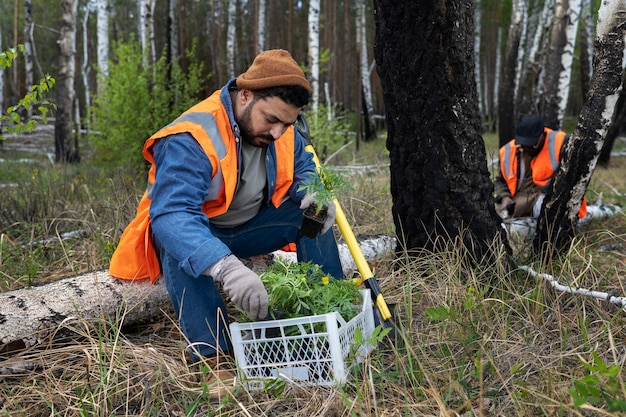
Wildlife management is a crucial aspect of maintaining the delicate balance between urban development and natural habitats. In Chicago, a city known for its rich biodiversity and complex ecosystems, effective wildlife management services are essential. These services are designed to address the challenges posed by wildlife in urban settings, ensuring the coexistence of humans and animals while protecting both from potential risks and conflicts.
Understanding Wildlife Management
Wildlife management involves the application of ecological knowledge and principles to manipulate wildlife populations and their habitats. The goal is to ensure sustainable interactions between humans and wildlife. In urban areas like Chicago, this process can be particularly challenging due to the high density of both human and animal populations.
- Monitoring and assessing wildlife populations and habitats.
- Implementing strategies to mitigate human-wildlife conflicts.
- Ensuring the conservation of endangered species and their habitats.
- Providing public education on living harmoniously with wildlife.
The Importance of Professional Wildlife Management Services
Professional wildlife management services play a pivotal role in maintaining ecological balance within urban areas. These services are crucial for several reasons:
Reducing Human-Wildlife Conflicts
As urban areas expand, conflicts between humans and wildlife become more frequent. Professional services help mitigate these conflicts through various strategies. Discover expert strategies here to manage such challenges effectively.
Conservation Efforts
Wildlife management services contribute significantly to the conservation of biodiversity. They help protect endangered species and preserve their natural habitats. Learn about our tailored solutions that focus on sustainable conservation practices.
Public Education and Awareness
Educating the public about the importance of wildlife conservation and management is essential. Services that focus on public education can help foster a community that values and supports wildlife conservation efforts. Explore advanced guides and tips on how education can play a vital role in wildlife management.
Challenges Faced in Urban Wildlife Management
Managing wildlife in urban areas like Chicago presents unique challenges. These include:
- High population density leading to increased human-wildlife interactions.
- Limited natural habitats due to urban development.
- Pollution and its impact on wildlife health.
- Climate change affecting migration and breeding patterns.
Despite these challenges, effective management strategies can still be implemented to ensure that both humans and wildlife can thrive. Find out more about this approach to tackling urban wildlife management challenges.
The Role of Technology in Wildlife Management
Technology has become an integral part of modern wildlife management strategies. It aids in:
- Tracking and monitoring wildlife populations using GPS and camera traps.
- Analyzing data to understand wildlife behavior and habitat use.
- Developing mobile apps for public reporting of wildlife sightings.
- Implementing automated systems for habitat restoration and protection.
By integrating technology, wildlife management services can enhance their effectiveness and efficiency. For more information on how technology is being utilized, explore advanced guides and tips.
Conclusion
Wildlife management services in Chicago are essential for maintaining the balance between urbanization and natural ecosystems. These services not only focus on mitigating human-wildlife conflicts but also emphasize the importance of conservation, public education, and the use of advanced technology. For anyone interested in the broader impacts and methodologies of wildlife management, further resources and information can be accessed. Discover expert strategies here to delve deeper into this crucial field.
About the Author