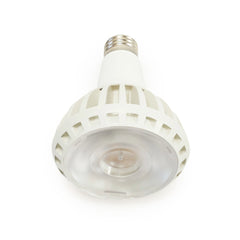
Indoor gardening has gained significant popularity with the rise of urban living and limited outdoor spaces. To cultivate thriving indoor plants, understanding the importance of lighting is crucial. Full spectrum light bulbs have emerged as an essential tool for plant enthusiasts who aim to recreate natural sunlight conditions indoors. These bulbs offer a balanced light spectrum that mimics the sun, fostering optimal plant growth and health. This article delves into the benefits of full spectrum light bulbs, their features, and tips to optimize their use for indoor plants.
The Science Behind Full Spectrum Light Bulbs
Full spectrum light bulbs are designed to emit light across the visible spectrum and beyond, replicating the natural light conditions that plants need. They provide a comprehensive range of wavelengths, including:
- Ultraviolet (UV) Light: Promotes vitamin D production and enhances plant coloration.
- Visible Light: Covers the range of light that plants use for photosynthesis.
- Infrared (IR) Light: Aids in flowering and fruiting stages of plant development.
This balance of light wavelengths is critical for photosynthesis, a process where plants convert light energy into chemical energy. By using full spectrum light bulbs, indoor gardeners can ensure that their plants receive the essential light they need to thrive. Discover expert strategies here.
Benefits of Using Full Spectrum Light Bulbs
Enhanced Plant Growth
Implementing full spectrum light bulbs in indoor gardening setups leads to healthier and more robust plant growth. These bulbs mimic the natural progression of the day, offering plants the right amount of light intensity and duration. This simulation of natural light cycles can result in:
- Increased photosynthetic activity.
- Improved nutrient uptake.
- Accelerated growth rates.
- Better overall plant health and resilience.
Indoor gardeners can learn about our tailored solutions to maximize these benefits.
Versatility and Convenience
Full spectrum light bulbs are versatile, fitting various fixtures and setups, from small desk lamps to large overhead systems. Their convenience stems from their ability to be used in numerous indoor environments, making them suitable for:
- Home gardens and nurseries.
- Office spaces with limited natural light.
- Hydroponic and aquaponic systems.
This adaptability makes full spectrum bulbs an excellent choice for any indoor gardening project. Find out more about this approach to see how they can fit into your specific setup.
Implementing Full Spectrum Light Bulbs in Your Indoor Garden
Successfully integrating full spectrum light bulbs into an indoor garden involves understanding plant needs and light placement. Here are some tips to optimize their use:
- Positioning: Place bulbs at an appropriate distance to avoid light burn while ensuring adequate coverage.
- Duration: Mimic natural daylight hours by adjusting the duration the lights are on, typically 12-16 hours a day.
- Wattage: Choose bulbs with the right wattage to match your plant’s light requirements, ranging from low-light to high-light needs.
By following these guidelines, gardeners can achieve a thriving indoor plant environment. Explore advanced guides and tips for more detailed instructions and recommendations.
In conclusion, full spectrum light bulbs play a pivotal role in cultivating successful indoor gardens. By providing a balanced light spectrum, they ensure plants receive the necessary energy for growth and development. Indoor gardeners can optimize their space and plant health by understanding and implementing these lighting solutions. To learn more about how to enhance your indoor gardening experience with full spectrum light bulbs, explore advanced guides and tips.
About the Author