Concrete surfaces have long been synonymous with strength and durability, but the aesthetic aspect is often overlooked. With advancements in construction technology, the focus has shifted towards creating visually appealing concrete structures without compromising their integrity. Unique formliner patterns play a pivotal role in transforming plain concrete into an artistic masterpiece, meeting both functional and aesthetic demands. These patterns not only enhance the beauty of concrete surfaces but also provide architects and designers with the flexibility to express creativity in construction projects.
The Role of Form Liner Patterns in Concrete Design
Form liner patterns are essential in modern architecture for creating customized and intricate designs on concrete surfaces. They offer a broad range of benefits that extend beyond mere aesthetics:
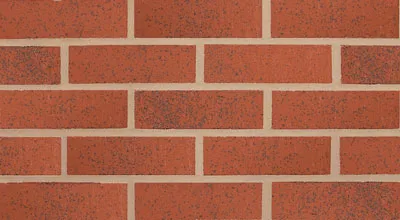
- Versatility: Available in various textures and designs, form liners can mimic natural materials like stone, wood, or brick.
- Durability: Form liners are designed to withstand the rigors of the concrete pouring process and can be reused multiple times.
- Cost-Effectiveness: By using form liners, there?s no need for additional finishing processes, which can reduce overall project costs.
Types of Concrete Form Liner Patterns
Textured Patterns
Textured patterns are popular for their ability to replicate the appearance of natural materials. These concrete form liner patterns are ideal for projects that aim to blend seamlessly with natural surroundings or require a rustic aesthetic.
Geometric Patterns
Geometric patterns offer a modern and sleek look, perfect for urban developments and contemporary architecture. These patterns can range from simple lines to complex tessellations, providing a sophisticated finish to any structure.
Custom Patterns
For projects seeking a unique identity, custom patterns allow for the creation of bespoke designs tailored to specific architectural visions. These patterns can incorporate logos, motifs, or other distinctive elements that reflect the project’s unique character.
Implementing Form Liner Patterns in Construction Projects
Implementing form liner patterns in a construction project involves several steps to ensure a successful outcome:
- Design Selection: Collaborate with architects and designers to select patterns that align with the project?s aesthetic goals.
- Material Preparation: Choose high-quality form liners that can endure the concrete curing process without compromising the pattern integrity.
- Installation: Proper installation is crucial to achieving the desired effect. This involves securing the form liners correctly to the formwork before concrete is poured.
- Finishing: Once the concrete has set, careful removal of the form liners will reveal the intricate patterns imprinted on the surface.
Conclusion
The integration of unique form liner patterns into concrete surfaces has revolutionized the field of architecture and construction. These patterns not only enhance the visual appeal of structures but also contribute to their functional and economic value. By offering a wide variety of designs and the option for customization, form liners provide architects and designers the creative freedom to turn ordinary concrete into extraordinary works of art. As the demand for aesthetically pleasing and sustainable construction continues to grow, form liners will play an increasingly vital role in shaping the urban landscape.
About the Author