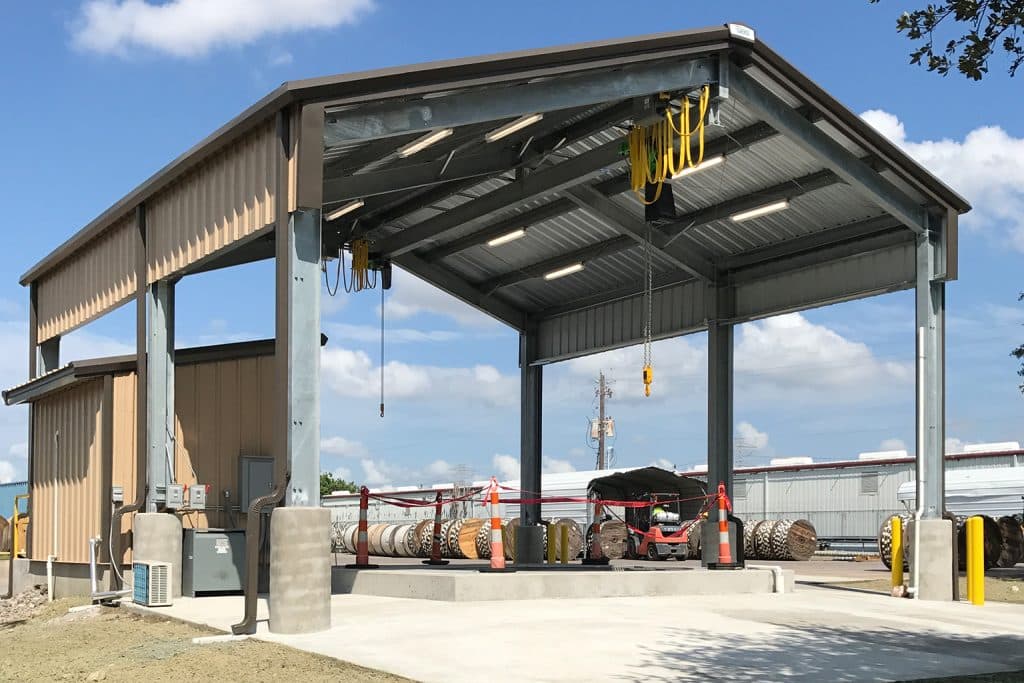
Tilt-up panel construction has steadily gained traction as a preferred method for building commercial and industrial structures. This innovative technique involves casting concrete panels on-site, which are then lifted into position to form the walls of a building. The rise in popularity of tilt-up construction can be attributed to its numerous advantages over traditional building methods, including cost-effectiveness, speed, and durability. In an era where construction efficiency and sustainability are paramount, understanding the benefits of tilt-up construction is invaluable for project managers, architects, and builders.
Cost Efficiency
One of the most compelling benefits of tilt-up panel construction is its cost-effectiveness. This method reduces both labor costs and construction time, resulting in significant savings. The on-site casting process eliminates the need for transporting heavy pre-cast panels, reducing logistical expenses. Additionally, the use of local materials can further decrease costs, making tilt-up construction a financially viable option for many projects. Discover expert strategies here.
Reduced Labor Costs
- The tilt-up method requires fewer laborers compared to traditional construction techniques.
- Automation in the casting process minimizes manual labor.
- Efficient use of resources leads to lower overall labor expenses.
Shorter Construction Time
- Simultaneous casting and curing processes speed up construction timelines.
- Elimination of complex scaffolding and formwork expedites the building process.
- Faster project completion allows for quicker occupancy and return on investment.
Design Flexibility
Tilt-up construction offers extensive design flexibility, allowing for creativity without compromising structural integrity. The panels can be customized in a variety of shapes, sizes, and finishes to meet specific aesthetic and functional requirements. This adaptability makes tilt-up an attractive option for architects seeking innovative design solutions. Explore advanced guides and tips.
Customization Options
- Panels can be designed with different textures, colors, and patterns.
- Incorporation of architectural features like reveals and form liners is possible.
- Compatibility with various construction materials enhances design potential.
Structural Integrity and Durability
The inherent strength of concrete makes tilt-up panels exceptionally durable and resistant to environmental stresses. These structures are well-suited for regions prone to natural disasters such as earthquakes and hurricanes. The robustness of tilt-up buildings ensures longevity and safety, which are crucial considerations in any construction project. Find out more about this approach.
Earthquake and Weather Resistance
- The solid concrete panels provide superior stability against seismic activity.
- Weather-resistant coatings can be applied to enhance protection against the elements.
- Reinforcement with steel bars increases the structural strength of the panels.
Sustainability and Environmental Impact
In today?s eco-conscious world, sustainability in construction is more important than ever. Tilt-up construction contributes positively to environmental conservation efforts in several ways. The method minimizes waste, reduces energy consumption, and often uses locally sourced materials, thereby lowering the carbon footprint of construction projects. Learn about our tailored solutions.
Environmental Benefits
- Reduced waste generation through precise material usage.
- Lower transportation emissions due to on-site casting.
- Potential for incorporating recycled materials into concrete mixes.
In conclusion, tilt-up panel construction offers numerous advantages that make it a preferred method for many building projects. From cost savings and design flexibility to structural durability and environmental sustainability, the benefits are extensive and impactful. As the construction industry continues to evolve, embracing innovative methods like tilt-up construction can lead to more efficient, sustainable, and resilient buildings. For those interested in exploring this approach further, professional insights and solutions are available to guide the successful implementation of tilt-up construction techniques.
About the Author