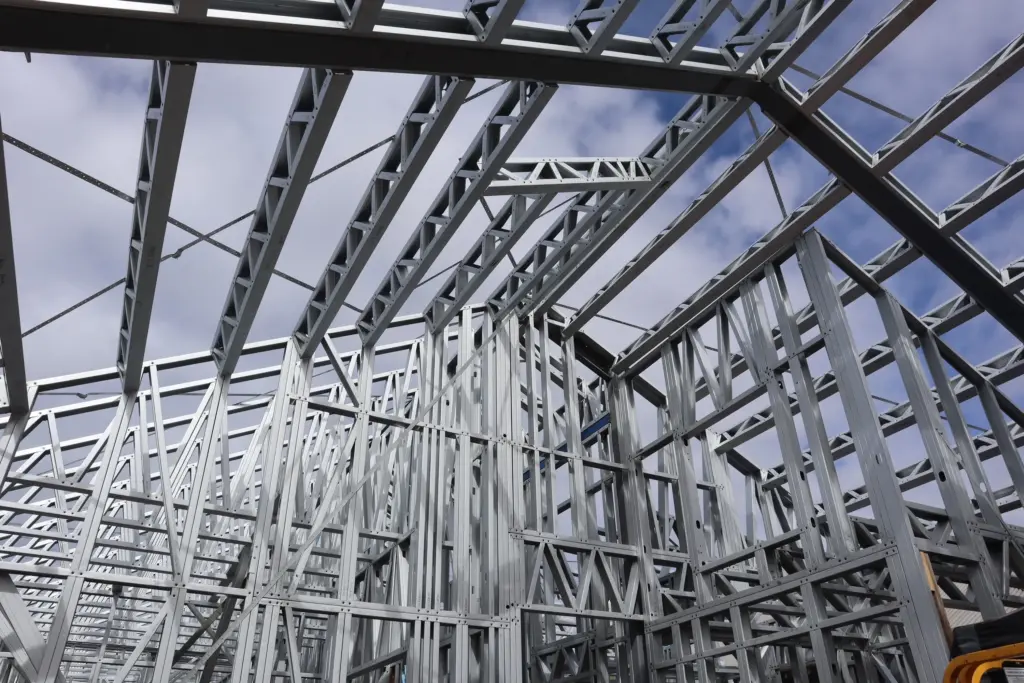
In the construction industry, selecting the right structural steel supplier is crucial for the success of any project. The integrity, safety, and durability of a structure often hinge on the quality of the steel components used. With a wide range of suppliers available, making an informed decision can be challenging. Understanding the key factors to consider when choosing a structural steel supplier can significantly impact your project’s outcome. This article explores essential considerations to ensure you partner with a supplier who meets your requirements and expectations.
Quality of Steel Products
The quality of steel is paramount in construction projects. When evaluating a supplier, consider the following:
- Material Certification: Ensure the supplier provides certification for their steel products, confirming adherence to industry standards and specifications. Learn more in this detailed guide.
- Compliance with Standards: Verify that the steel products meet the necessary structural and safety standards relevant to your region or industry.
- Quality Assurance Procedures: Investigate the supplier’s quality assurance processes to ensure consistent product quality. Explore further insights here.
Reliability and Reputation
The reputation of a supplier can provide valuable insights into their reliability. Consider these aspects:
- Track Record: Research the supplier?s history and experience in the industry. Long-standing suppliers often have established processes and a proven track record.
- References and Testimonials: Although direct customer reviews are not discussed here, obtaining references from other businesses within your network can provide useful perspectives on a supplier’s reliability.
- Market Reputation: A supplier with a positive reputation is likely to offer dependable products and services. Find additional information here.
Supply Capacity and Inventory
The supplier?s ability to meet your demand is crucial. Evaluate their capacity and inventory by considering:
- Production Capacity: Ensure the supplier can handle your project’s volume requirements without compromising on delivery timelines.
- Inventory Levels: A supplier with a robust inventory is more likely to fulfill urgent requirements and manage supply chain disruptions effectively.
- Scalability: Consider whether the supplier can scale their operations to match your future growth or unexpected demand surges. Read more about this topic.
Pricing and Financial Stability
While cost is a significant factor, it should not compromise quality. Balance affordability with financial stability by considering:
- Competitive Pricing: Compare prices from multiple suppliers to ensure competitive rates without sacrificing quality.
- Financial Health: Assess the financial stability of the supplier to ensure they are capable of sustaining operations and fulfilling your long-term needs.
- Transparent Pricing Structure: Look for suppliers that offer clear and transparent pricing, including any additional costs that might arise. Explore further insights here.
Customer Service and Support
Effective communication and support are vital for a smooth partnership. Evaluate the supplier’s customer service by considering:
- Responsiveness: A supplier?s ability to respond promptly to inquiries and issues reflects their commitment to customer satisfaction.
- Technical Support: Ensure the supplier offers technical support to address any product-related queries or challenges during the project.
- After-Sales Service: Reliable after-sales service can be crucial for addressing any post-purchase issues or additional requirements. Learn more in this detailed guide.
Selecting the right structural steel supplier requires thorough research and careful consideration of various factors. By focusing on quality, reputation, supply capacity, pricing, and customer service, you can make an informed decision that aligns with your project goals. For more insights into selecting the right supplier, read more about this topic.
About the Author