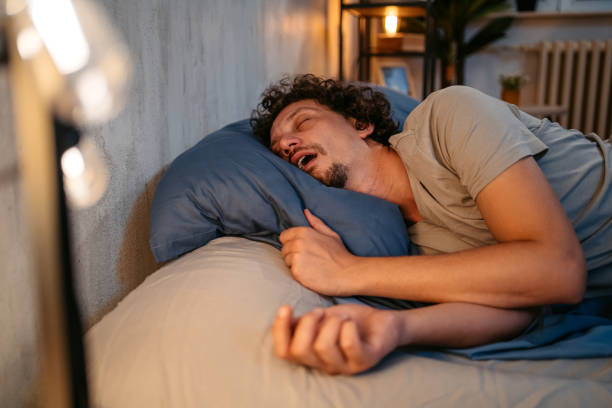
Sleep apnea is a common yet serious sleep disorder that affects millions of individuals worldwide, disrupting both their sleep and overall health. In the bustling city of Los Angeles, where the pace of life is fast and demands are high, the need for effective and personalized sleep apnea treatment plans is paramount. Tailoring treatment options to individual needs can significantly improve quality of life, making it essential to understand the array of solutions available in this vibrant city.
Understanding Sleep Apnea
Sleep apnea is characterized by repeated interruptions in breathing during sleep. These interruptions can lead to fragmented sleep and reduced oxygen intake, which can have serious health implications. The most common types of sleep apnea include:
- Obstructive Sleep Apnea (OSA): This occurs when the throat muscles relax excessively during sleep, blocking the airway.
- Central Sleep Apnea: Unlike OSA, this type involves the central nervous system, where the brain fails to send proper signals to the muscles that control breathing.
- Complex Sleep Apnea Syndrome: A combination of obstructive and central sleep apnea symptoms.
Identifying the type of sleep apnea is crucial for developing an effective treatment plan. Those interested in learning more about the intricacies of this condition can discover expert strategies here.
Diagnosis and Assessment
Comprehensive Evaluation
Before a personalized treatment plan is developed, a thorough evaluation is necessary. This typically includes:
- Sleep Studies: Conducted in a lab or at home, these studies monitor sleep patterns, breathing, and other physiological parameters.
- Medical History Review: A detailed assessment of symptoms and family history helps in understanding the patient’s condition better.
- Physical Examination: An examination of the throat, neck, and oral structures to identify physical obstructions.
Such evaluations are critical in tailoring a treatment plan that aligns with the patient’s specific needs. More information can be accessed through resources that explore advanced guides and tips.
Personalized Treatment Options
Continuous Positive Airway Pressure (CPAP)
CPAP is often the first line of treatment for moderate to severe sleep apnea. It involves wearing a mask over the nose or mouth during sleep to ensure a continuous flow of air.
- Benefits: Keeps airways open, reduces snoring, and improves sleep quality.
- Considerations: Requires regular maintenance and adjustment for maximum benefit.
Oral Appliance Therapy
For those with mild to moderate sleep apnea, oral appliances can be a viable alternative. These devices are custom-fitted to reposition the jaw and tongue, helping to keep the airway open.
- Advantages: Non-invasive, portable, and easy to use.
- Customization: Tailored to the individual”?s dental structure for optimal comfort and effectiveness.
Individuals seeking tailored solutions can learn about our tailored solutions for effective management of sleep apnea.
Surgical Interventions
In cases where non-invasive options are ineffective, surgical interventions may be considered. These can include procedures to remove excess tissue, restructure airways, or implant devices that stimulate breathing.
- Types: Uvulopalatopharyngoplasty (UPPP), maxillomandibular advancement, and Inspire therapy.
- Outcomes: Can provide long-term relief from symptoms but involve recovery time and potential risks.
For those considering surgical options, it”?s crucial to find out more about this approach.
Conclusion
In Los Angeles, where the demands of daily life are ever-increasing, addressing sleep apnea with personalized treatment plans can lead to significant improvements in health and well-being. With a range of options from CPAP to surgical interventions, individuals can find tailored solutions that meet their unique needs. For comprehensive guidance and expert advice, explore advanced guides and tips available through trusted resources.
About the Author