Building lean, functional muscle is a combination of consistent training, proper nutrition, and strategic supplementation. While a balanced diet supplies the essential macronutrients, certain supplements can accelerate protein synthesis, improve recovery, and enhance performance. The following guide breaks down the most scientifically backed options, explaining how each works, who benefits most, and what to look for when choosing a product. By integrating these top picks into a well-structured regimen, athletes and fitness enthusiasts can achieve faster, more noticeable results without compromising health.
Why Supplementation Matters for Muscle Growth
Even with an optimal diet, the body may struggle to meet the heightened demands of intense resistance training. Supplements fill those gaps by:
- Providing high-quality protein quickly and efficiently.
- Supporting hormonal pathways that trigger muscle protein synthesis.
- Reducing muscle breakdown during and after workouts.
- Enhancing energy availability for higher training volume.
When paired with progressive overload and adequate rest, these nutrients create an environment where muscle fibers can repair and grow stronger.
Top Muscle-Gaining Supplements
1. Whey Protein Isolate
Whey protein isolate (WPI) is a fast-digesting, high-purity protein source that delivers 20-30″?g of complete amino acids per serving. Its rapid absorption makes it ideal for post-workout windows when muscles are most receptive.
- Key benefits: High leucine content, low lactose, minimal carbs and fats.
- Best use: 20-30″?g within 30″?minutes after training.
- Considerations: Choose a product with best supplements to gain muscle that are third-party tested for purity.
2. Creatine Monohydrate
Creatine is one of the most researched ergogenic aids. It increases phosphocreatine stores in muscle cells, allowing for greater ATP regeneration during short, intense efforts.
- Key benefits: Improved strength, power output, and muscle volumization.
- Loading protocol: 5″?g daily for 4-6 weeks, then a maintenance dose of 3-5″?g.
- Safety: Well-tolerated in healthy adults; stay hydrated.
3. Branched-Chain Amino Acids (BCAAs)
BCAAs, leucine, isoleucine, and valine, play a direct role in signaling muscle protein synthesis. While whole-protein sources provide BCAAs, a targeted supplement can be useful during prolonged training sessions.
- Key benefit: Leucine’s 2-gram threshold for maximal anabolic signaling.
- Ideal timing: Sipped intra-workout or between meals.
- Note: For most people, a high-quality whey isolate already supplies sufficient BCAAs.
4. Beta-Alanine
Beta-alanine raises intramuscular carnosine levels, buffering hydrogen ions that cause fatigue during high-intensity efforts.
- Typical dose: 2-5″?g per day, split into smaller servings to avoid tingling sensations.
- Result: Enhanced endurance for sets lasting 1-4 minutes.
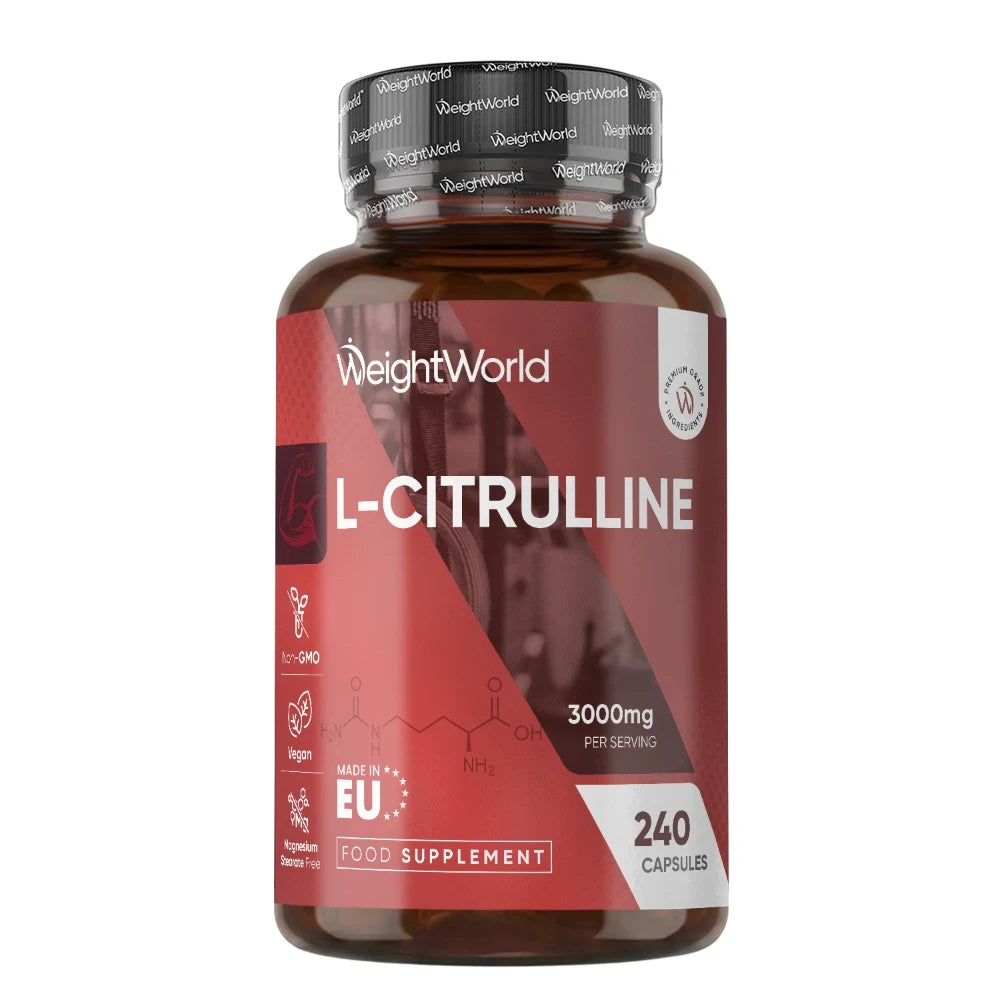
5. L-Citrulline Malate
L-citrulline converts to arginine in the kidneys, boosting nitric oxide production. This leads to improved blood flow, nutrient delivery, and reduced muscle soreness.
- Effective dose: 6-8″?g 30″?minutes before training.
- Added benefit: May improve aerobic capacity, supporting higher training volumes.
6. Casein Protein
Casein is a slow-digesting protein that provides a sustained release of amino acids, making it ideal for nighttime recovery.
- Suggested intake: 30-40″?g before bed.
- Outcome: Reduced overnight muscle breakdown.
How to Choose the Right Supplements
Not every supplement fits every individual. Consider the following criteria when selecting products from reputable sources such as supplements muscle collections.
- Purity & testing: Look for third-party certifications (e.g., NSF, Informed-Sport).
- Ingredient transparency: Full label disclosure without proprietary blends.
- Formulation: Match the supplement’s purpose to your training phase (bulking, cutting, strength).
- Allergen considerations: Verify dairy, gluten, or soy content based on personal sensitivities.
Integrating Supplements into a Daily Routine
Consistency is key. Below is a sample schedule that aligns supplementation with typical training days.
- Morning: 20″?g whey isolate (if training later) or a protein-rich breakfast.
- Pre-workout (30″?min): 5″?g beta-alanine + 6″?g L-citrulline malate.
- During workout: 5″?g BCAAs (optional) and water.
- Post-workout: 30″?g whey isolate + 5″?g creatine monohydrate.
- Evening: 30″?g casein protein before sleep.
Potential Side Effects and Safety Tips
While most muscle-building supplements are safe for healthy adults, awareness of possible reactions helps maintain long-term health.
- Creatine: May cause mild gastrointestinal discomfort; increase water intake.
- Beta-alanine: Can cause transient paresthesia (tingling); split doses.
- L-citrulline: Generally well tolerated; high doses may cause stomach upset.
- Protein powders: Excessive intake can strain kidneys in individuals with pre-existing conditions.
Conclusion
Optimizing muscle growth goes beyond lifting heavy weights; strategic supplementation bridges the gap between effort and results. By prioritizing high-quality whey and casein proteins, proven performance enhancers like creatine and beta-alanine, and supportive nutrients such as L-citrulline, athletes can accelerate recovery, increase training capacity, and ultimately achieve faster, more sustainable gains. Selecting products that meet rigorous purity standards and aligning them with a well-structured nutrition and training plan ensures that each supplement works synergistically, delivering the best possible outcome for muscle development.
About the Author