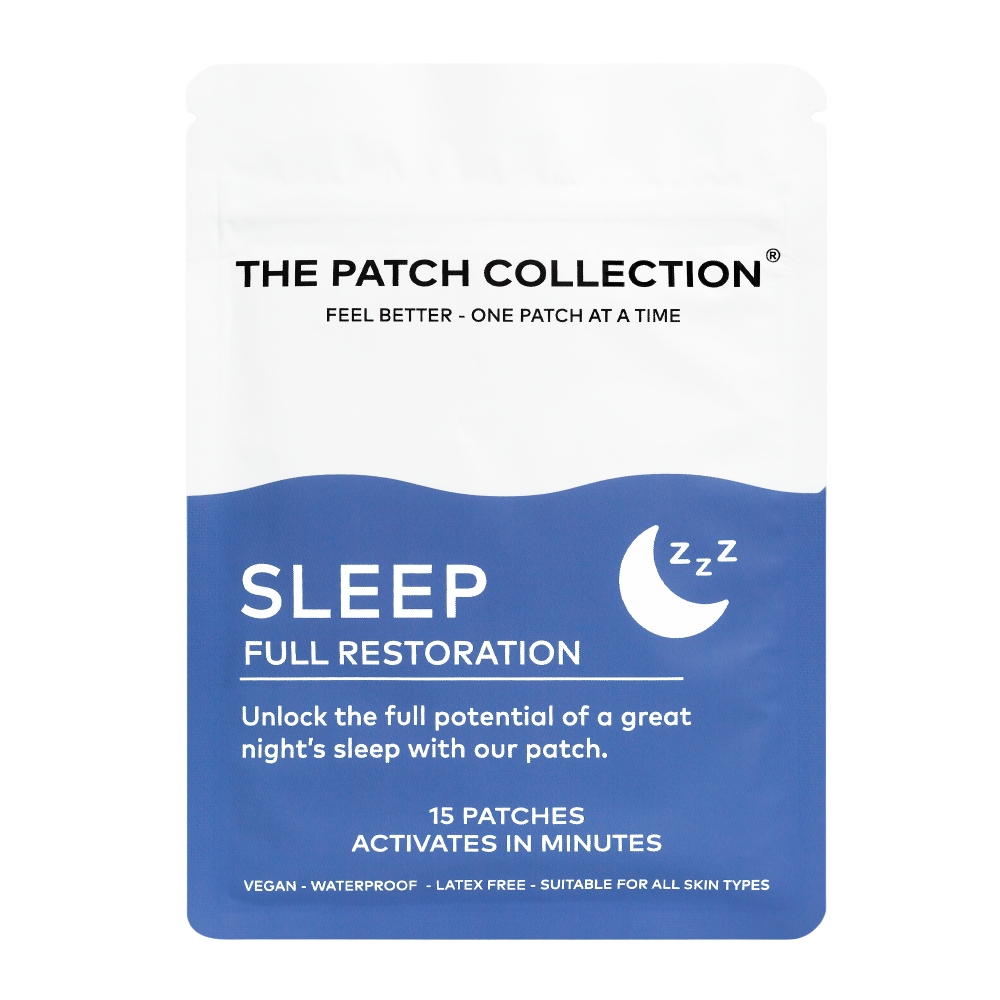
Sleep quality is a cornerstone of overall health, yet many people struggle to achieve restorative rest despite a perfect bedroom environment. Recent advances in transdermal technology have introduced a novel, non-invasive method: adhesive sleep patches. These discreet, skin-applied solutions release targeted ingredients throughout the night, supporting the body’s natural rhythms and promoting deeper, uninterrupted sleep. Understanding how these patches work, the science behind their ingredients, and the best practices for use can help anyone looking to enhance nightly recovery without relying on pills or complex routines.
How Adhesive Sleep Patches Function
Unlike oral supplements, sleep patches deliver active compounds directly through the skin, bypassing the digestive system. This method offers several physiological advantages:
- Steady Release: Micronized ingredients are embedded in a hydrogel matrix that dissolves gradually, ensuring a consistent dose over 6-8″?hours.
- Reduced First-Pass Metabolism: By avoiding the liver’s first-pass effect, a higher proportion of the active agents reaches the bloodstream.
- Localized Absorption: Certain calming botanicals work best when applied to areas with thin skin (e.g., the inner wrist), enhancing bioavailability.
Key Components of a Sleep Patch
Effective patches typically combine three categories of ingredients:
- Melatonin or its analogues: Signals the brain that it’s time to wind down, synchronising circadian rhythms.
- Herbal extracts (e.g., valerian root, passionflower): Provide mild anxiolytic effects that calm the nervous system.
- Supportive nutrients (magnesium, L-theanine): Promote muscle relaxation and reduce physiological arousal.
When these components are released slowly, they work in concert to ease the transition into sleep, sustain REM cycles, and minimise nocturnal awakenings.
Scientific Basis for Transdermal Delivery
Transdermal drug delivery has been studied for decades, primarily in pain management and hormone replacement therapy. The same principles apply to sleep patches:
- Stratum Corneum Permeability: The outermost skin layer acts as a selective barrier. Formulations use penetration enhancers (like oleic acid) to temporarily increase permeability without damaging the skin.
- Hydrogel Technology: Hydrophilic polymers retain moisture, keeping the patch flexible and comfortable while facilitating diffusion of water-soluble actives.
- Controlled Kinetics: Mathematical models predict release curves, allowing manufacturers to fine-tune the patch for an 8-hour therapeutic window.
Peer-reviewed research confirms that transdermal melatonin can achieve plasma concentrations comparable to oral dosing, but with fewer spikes and a smoother decline, which is ideal for maintaining sleep continuity.
Practical Guidelines for Optimal Use
To maximise the benefits of sleep patches, follow these evidence-based steps:
- Choose the Right Placement: Apply to clean, dry skin on the inner forearm or behind the ear, areas with thin epidermis and good blood flow.
- Timing: Position the patch 30″?minutes before bedtime to allow the matrix to activate.
- Skin Preparation: Gently cleanse the area with mild soap, avoid moisturisers or lotions that could create a barrier.
- Duration: Leave the patch on for the full night; removal in the morning prevents premature cessation of the release.
- Rotation: Alternate placement sites each night to minimise skin irritation.
For those interested in a curated selection of clinically formulated patches, Discover expert strategies here provides a comprehensive catalogue that aligns with these guidelines.
Benefits Compared with Traditional Sleep Aids
When evaluating sleep solutions, consider the following comparative advantages of adhesive patches:
- Non-Invasive & Drug-Free Options: Many users prefer botanical blends over prescription hypnotics, reducing the risk of dependence.
- Consistent Dosing: Unlike tablets that may be metabolised unevenly, patches deliver a stable dose throughout the night.
- Minimal Side Effects: The localized delivery limits systemic exposure, lowering the likelihood of morning grogginess.
- Convenient Integration: No need to remember a nightly pill; the patch adheres itself.
These points are especially relevant for individuals with gastrointestinal sensitivities or those who experience disrupted sleep after taking oral supplements.
Potential Considerations and Contra-Indications
While sleep patches are generally safe, certain circumstances warrant caution:
- Skin Conditions: Eczema, psoriasis, or open wounds at the application site may increase irritation risk.
- Allergies: Check ingredient lists for potential allergens such as latex or specific botanical extracts.
- Medication Interactions: Although systemic absorption is low, consult a healthcare professional if taking anticoagulants or hormone therapies.
For a deeper dive into safety considerations, Learn about our tailored solutions offers detailed product specifications and FAQs.
Integrating Sleep Patches into a Holistic Nighttime Routine
Optimal sleep hygiene extends beyond any single product. Pairing patches with proven habits enhances overall effectiveness:
- Dim lights and limit screen exposure at least one hour before bed.
- Maintain a consistent bedtime and wake-time schedule, even on weekends.
- Incorporate a brief relaxation practice, deep breathing, progressive muscle relaxation, or gentle stretching.
- Keep the bedroom cool (around 18-19″???C) and free of disruptive noises.
When these practices are combined with a nightly patch, many users report faster sleep onset and fewer awakenings. For further reading on creating a supportive environment, Explore advanced guides and tips provides actionable recommendations.
Future Directions in Sleep Patch Technology
Research continues to refine transdermal platforms, focusing on:
- Personalised Formulations: Tailoring active ratios based on genetic markers or chronotype assessments.
- Smart Patches: Integrating sensors that monitor skin temperature and adjust release rates in real time.
- Eco-Friendly Materials: Biodegradable adhesives and recyclable packaging to reduce environmental impact.
These innovations suggest that adhesive sleep solutions will become increasingly sophisticated, offering customizable support for diverse sleep profiles.
Conclusion
Adhesive sleep patches represent a scientifically grounded, user-friendly approach to enhancing nightly rest. By delivering a steady stream of melatonin, calming botanicals, and supportive nutrients directly through the skin, they address common sleep challenges without the drawbacks of oral medications. When used correctly, applied to clean skin, timed before bedtime, and rotated regularly, these patches can become a reliable component of a comprehensive sleep-optimisation strategy. For those seeking a vetted selection of high-quality patches, Find out more about this approach and explore options that align with the latest research and industry standards.
About the Author