Collagen is the most abundant protein in the human body, forming the structural framework for skin, joints, bones, and connective tissue. As we age, natural collagen production declines, leading to visible signs of aging and reduced joint flexibility. Fortunately, targeted supplementation can help replenish diminishing stores, supporting a youthful appearance and active lifestyle. This article outlines the most effective supplements for boosting collagen levels, explains how they work, and offers practical guidance for choosing the right product for individual needs.
Why Collagen Supplementation Matters
Scientific research shows that oral collagen peptides are absorbed into the bloodstream and can stimulate the body’s own collagen synthesis. Regular intake may:
- Improve skin elasticity and hydration, reducing fine lines and wrinkles.
- Support joint health by strengthening cartilage and reducing discomfort.
- Enhance nail and hair strength.
- Promote bone density and overall connective-tissue resilience.
Key Types of Collagen Supplements
1. Marine Collagen
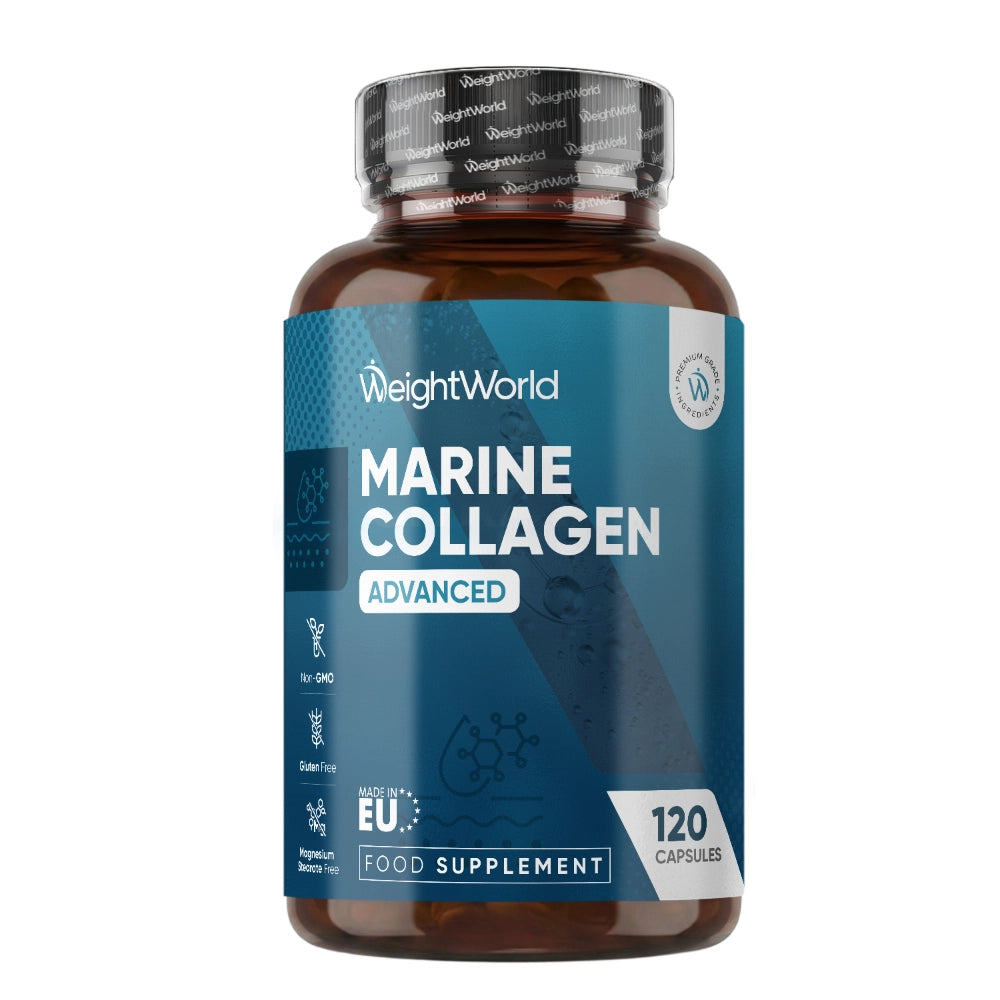
Derived from fish skin and scales, marine collagen is rich in Type I collagen, the form most associated with skin health. Its smaller peptide size may aid absorption.
- High bioavailability.
- Ideal for skin-focused results.
- Often sourced from sustainably harvested fish.
2. Bovine Collagen
Bovine sources contain both Type I and Type III collagen, making them suitable for skin, hair, nails, and joint support.
- Balanced protein profile.
- Generally more affordable than marine options.
- Suitable for those who prefer non-marine sources.
3. Chicken Collagen
Primarily Type II collagen, chicken collagen targets joint cartilage and is often used in formulas aimed at joint comfort.
- Effective for joint and cartilage health.
- Often combined with glucosamine or hyaluronic acid.
- May be less beneficial for skin-specific goals.
Additional Ingredients That Enhance Collagen Benefits
Many high-quality supplements pair collagen peptides with synergistic nutrients to maximize results.
- Vitamin C: Essential co-factor for collagen synthesis; helps convert pro-collagen into mature collagen fibers.
- Hyaluronic Acid: Retains moisture in skin and lubricates joints, complementing collagen’s structural role.
- Biotin: Supports keratin production, enhancing hair and nail strength alongside collagen.
- Peptidyl-Proline-Rich Peptides: Specific sequences that have been shown to stimulate fibroblast activity.
How to Choose the Right Collagen Supplement
Selecting an effective product involves evaluating several factors beyond brand name.
- Source Transparency: Look for clear labeling of marine, bovine, or chicken origin.
- Peptide Size: Smaller peptides (hydrolyzed collagen) are typically absorbed more efficiently.
- Added Nutrients: Products that include vitamin C, hyaluronic acid, or other supportive compounds may deliver faster results.
- Third-Party Testing: Certifications for purity and absence of heavy metals provide added confidence.
- Dosage Recommendations: Effective daily doses usually range from 5″?g to 10″?g of collagen peptides.
Practical Tips for Incorporating Collagen Into Your Routine
Consistent use is key to seeing benefits. Consider these simple strategies:
- Mix powdered collagen into morning coffee, smoothies, or oatmeal.
- Take capsule forms with meals to aid digestion.
- Pair with vitamin-C-rich foods (citrus, berries) to support synthesis.
- Maintain a balanced diet rich in protein, as amino acids are building blocks for collagen.
- Stay hydrated; water is essential for collagen’s structural integrity.
Potential Side Effects and Safety Considerations
Collagen supplements are generally well tolerated, but a few precautions are worth noting.
- Allergic reactions are possible for individuals with fish or bovine sensitivities.
- Excessive intake may cause mild digestive discomfort.
- Pregnant or nursing individuals should consult a healthcare professional before starting any new supplement.
Where to Find Quality Collagen Products
When searching for a reliable collagen supplement, prioritize brands that disclose sourcing, provide third-party lab results, and offer transparent ingredient lists. Products that combine marine collagen with vitamin C and hyaluronic acid often deliver the most noticeable skin benefits, while bovine blends with added biotin support both skin and nail health. Reviewing customer feedback and professional endorsements can also guide an informed purchase decision.
Conclusion
Boosting collagen levels through targeted supplementation is a practical approach to supporting skin vitality, joint comfort, and overall connective-tissue health. By understanding the differences between marine, bovine, and chicken collagen, recognizing complementary ingredients, and selecting products with proven purity, individuals can tailor a regimen that aligns with their specific goals. Consistent daily use, combined with a balanced diet and proper hydration, maximizes the potential for visible and functional improvements, helping you maintain a youthful appearance and active lifestyle well into later years.
About the Author


