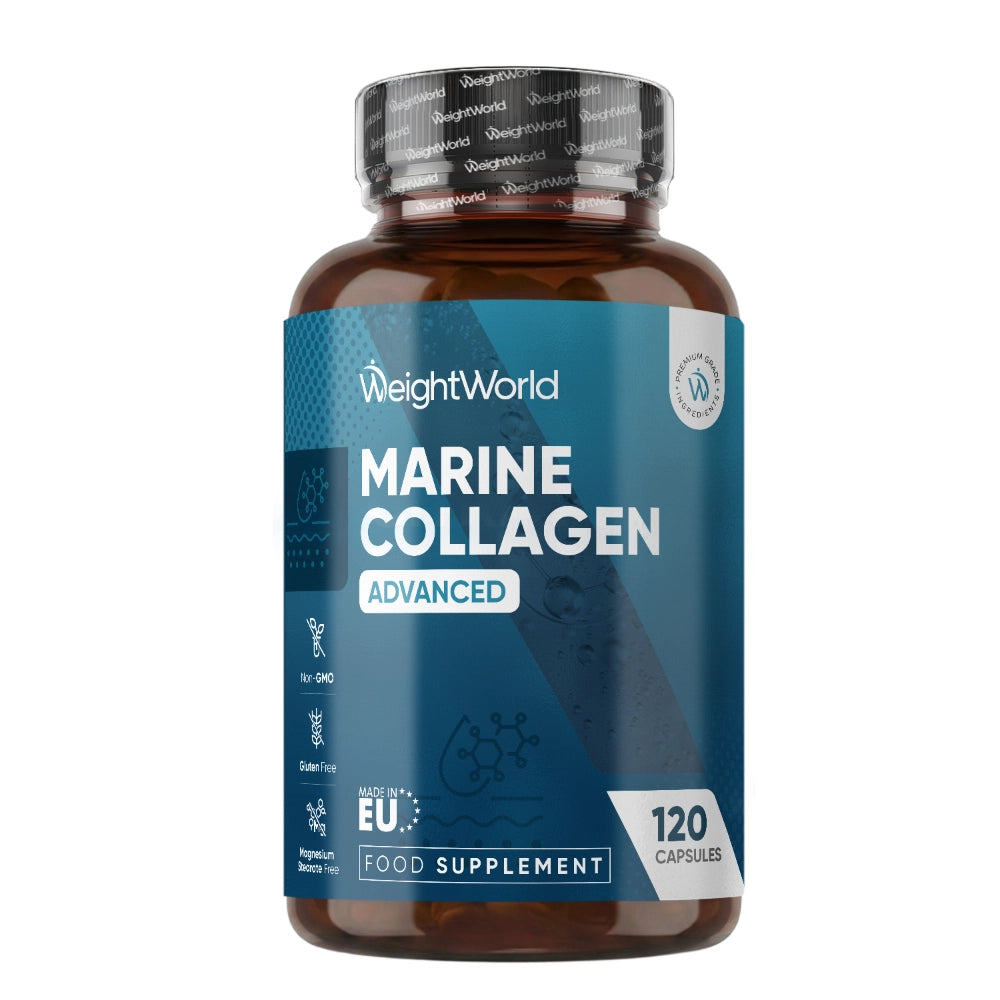
Skin health is often the first visible sign of how well the body is aging from the inside out. As the natural production of structural proteins declines with age, many people turn to dietary strategies that can support skin elasticity, hydration, and overall radiance. One of the most researched and widely discussed options is collagen supplementation. By providing the building blocks needed for the body’s own collagen synthesis, these supplements aim to restore the youthful firmness and glow that many associate with a vibrant complexion.
Understanding Collagen: The Body’s Structural Scaffold
Collagen is the most abundant protein in the human body, comprising roughly 30% of total protein content. It forms a supportive framework for skin, bones, tendons, ligaments, and cartilage. In skin, collagen fibers are arranged in a lattice that gives the dermis its strength and resilience. When collagen levels drop, the skin becomes thinner, less elastic, and more prone to wrinkles.
Types of Collagen Most Relevant to Skin
- Type I: Predominant in the dermis, responsible for tensile strength and firmness.
- Type III: Works alongside Type I to provide structural support and elasticity.
- Type V: Involved in the formation of the extracellular matrix and contributes to skin hydration.
How Collagen Supplements Work
Oral collagen supplements are typically hydrolyzed, meaning the protein has been broken down into smaller peptides that are easier for the digestive system to absorb. Once absorbed, these peptides circulate in the bloodstream and can signal fibroblasts, the skin’s collagen-producing cells, to increase their own production. This indirect mechanism is why many clinical studies report improvements in skin elasticity, moisture, and wrinkle depth after consistent supplementation.
Key Benefits Reported in Research
- Improved skin hydration up to 20% after 8 weeks of daily use.
- Reduction in the depth of fine lines and wrinkles, especially around the eyes and mouth.
- Enhanced dermal density, leading to a firmer, more lifted appearance.
- Support for nail strength and hair health, reflecting systemic benefits.
Choosing the Right Collagen Supplement
Not all collagen products are created equal. When selecting a collagen supplement, consider the following factors to ensure optimal efficacy and safety.
Source of Collagen
- Marine collagen: Derived from fish skin and scales, known for high bioavailability and a favorable amino acid profile for skin health.
- Bovine collagen: Sourced from cow hides, typically richer in Type I and Type III, making it suitable for both skin and joint support.
- Plant-based alternatives: While not true collagen, some formulations include vitamin C, hyaluronic acid, or plant peptides that can synergistically boost collagen synthesis.
Purity and Additives
- Look for products that are free from artificial flavors, colors, and unnecessary fillers.
- Third-party testing for heavy metals and contaminants adds an extra layer of confidence.
- Consider supplements that include co-factors such as vitamin C, which is essential for collagen cross-linking.
Integrating Collagen Supplements Into a Skincare Routine
Collagen supplementation works best when paired with a holistic approach to skin health. Below are practical steps to maximize results.
Daily Lifestyle Practices
- Consume a balanced diet rich in protein, antioxidants, and healthy fats.
- Stay hydrated; adequate water intake supports skin turgor and collagen function.
- Protect skin from UV damage with broad-spectrum sunscreen, sun exposure accelerates collagen breakdown.
- Prioritize sleep, as growth hormone release during rest stimulates collagen regeneration.
Topical Complementation
While oral collagen works from the inside, topical products containing retinoids, peptides, and hyaluronic acid can reinforce the skin’s barrier and enhance the visible benefits of supplementation.
Potential Considerations and Safety
Collagen supplements are generally well-tolerated, but a few considerations are worth noting.
- Allergies: Marine collagen may trigger reactions in individuals with fish allergies.
- Dosage: Clinical studies commonly use 2.5-10″?g per day; exceeding this range offers no proven additional benefit.
- Pregnancy & lactation: Consult a healthcare professional before beginning any new supplement regimen.
Conclusion: A Strategic Tool for Radiant Skin
When combined with sound nutrition, sun protection, and a consistent skincare regimen, a high-quality collagen supplement can be a strategic ally in the pursuit of youthful, radiant skin. By supplying the body with readily absorbable peptides, these supplements help counteract the natural decline of collagen that occurs with aging, supporting skin elasticity, moisture, and overall appearance. For those seeking a science-backed, non-invasive approach to skin rejuvenation, incorporating a reputable collagen supplement into daily health habits offers a practical and effective pathway toward lasting skin vitality.
About the Author


